

First Time in Bali Guide
Did you know the island welcomed about 6.3 million visitors in 2019, all arriving mostly through Ngurah Rai International Airport (DPS) in Denpasar? That scale shows how popular this place is and how many people come to enjoy its beaches, art markets, temples, and food.
You will find a mix of luxury hotel stays, quiet yoga retreats, lively restaurants and night bars. The middle part of the island feels different from the coast, and that contrast is one clear reason to explore beyond the shore.
Plan how you will get around and where you will stay to make the most of limited days. Consider travel insurance and seasonal shifts like the rainy season. From the Monkey Forest to Nusa Dua, this guide helps you shape a confident travel experience and points out the best things and places to visit.
Essential Tips For First Time In Bali
Simple cultural rules and common-sense safety keep your trip pleasant and stress-free. Use this short guide to learn how to act respectfully, protect your belongings, and enjoy local life without worry.
Cultural Etiquette for Visitors
Dress modestly at temples and sacred sites; cover shoulders and knees. Remove shoes where required and avoid loud behavior during ceremonies.
Local people are warm and helpful. Ask politely if you need directions or recommendations for restaurants, yoga studios, or nearby places to visit.
Staying Safe During Your Travels
Keep valuables secure when you travel around crowded spots like Kuta or Seminyak. Carry a bit of cash—many small warungs and markets do not take cards.
- Research the best places to visit before you go to save time.
- Use common sense at night and when trying new food or activities.
- Many hotels and Nusa Dua restaurants welcome tourists, but explore local spots for authentic food.
Remember: your first experience here is a learning one. Be curious, stay aware, and enjoy the journey.
Understanding the Island Geography
Bali’s land changes fast from coast to highland, so where you stay shapes your trip.
The island sits in the Lesser Sunda Islands between Java and Lombok. Geography varies widely: lush rice terraces in the north contrast with rugged beaches to the south.
Places like Nusa Dua feel polished and beach-focused, while Ubud offers jungle, rice fields, and a calmer pace. Many people visit Nusa Penida as a day trip to see dramatic cliffs and clear water.
Plan a bit of research before booking. Think about whether you want a lot of nightlife or a quiet place to relax. The way the island is structured means you can see volcanic mountains and coastal plains in one trip.
- Tip: map travel time between areas to avoid traffic.
- Mix beach days with visits to rice terraces to capture the island’s range of landscapes.
- Check local restaurants and food options near your accommodation.
Best Time of Year to Visit
Plan around seasonal patterns to make the most of outdoor adventures and calmer crowds. Choosing the right time shapes whether you spend your days on sunlit shores or chasing waterfalls.
- The dry season runs from April to October, offering long sunny days and the best weather for surfing, hiking, and beach visits.
- The rainy season falls between November and March. Expect higher humidity and regular showers, but not constant rain.
- Showers are often short, so you can still enjoy a day at the beach when skies clear.
- Visit during shoulder months to avoid crowds while keeping good weather. Many travelers prefer May through September for steady sunshine.
- During the rainy season, the island is much greener and waterfalls feel spectacular—great if you like dramatic scenery.
Always check the local forecast before a full day on the coast or a surf session. Match your travel goals to the season and your trip will feel easy and rewarding.
Navigating Visa and Entry Requirements
A little prep on documentation saves hours when you land on the island.
Check visa options before you leave. Most international visitors must confirm if they qualify for a visa on arrival. Make sure your passport has at least six months of validity past your planned return date.
Entry rules change often, so visit the official government website the day before departure. Whether you stay in a resort in nusa dua or a villa inland, confirm your visa covers your whole stay.
- Prepare documents in advance to cut paperwork time.
- Keep a digital copy of passport and visa on your phone.
- Double-check regulations to avoid surprises on arrival.
| Type | Validity | Notes |
|---|---|---|
| Visa on Arrival | 30 days | Extendable once; common at the airport. |
| B211A Visit Visa | 30–60 days | Apply before travel; flexible for longer stays. |
| Visa Exemption | Short stays (varies) | Only for certain nationalities; check eligibility. |
Remember: understanding these things early will reduce stress on your travel day and make your first time experience smoother.
Staying Connected with SIM Cards and WiFi
Quick access to mobile data changes how easily you can book transport and check local reviews. You can buy a local SIM at Ngurah Rai airport or at many shops across the island on arrival.
Most hotels and cafes offer reliable WiFi, so you can work or stream during your day of exploring. Download offline maps before you head into remote areas to avoid being stuck without directions.
- Ensure your phone is unlocked before you travel so a local SIM will work.
- If you work remotely, confirm high-speed internet at your accommodation before booking.
- Coverage is strong in popular areas but can be spotty in mountain zones.
- Many travelers find that the time spent setting up a local SIM is worth the faster data speeds.
| Option | Typical Price (IDR) | Best Use |
|---|---|---|
| Tourist SIM (1–7 days) | 50,000–100,000 | Short stays, heavy data for maps and social apps |
| Weekly/Monthly Bundle | 100,000–300,000 | Longer visits or remote work with steady speeds |
| Hotel WiFi | Often included | Casual browsing, booking, and streaming in town |
| Portable WiFi (rental) | 50,000–150,000/day | Groups or backup when multiple devices need connection |
Getting Around the Island Safely
Choosing a reliable way to travel makes exploring easier and more enjoyable. Pick an option that fits how you want to spend your day and the places you plan to visit.
Hiring Private Drivers
Hiring a private driver is often the most convenient way to get around the island, especially on a full day trip. Many drivers double as friendly guides and will show you the best beach or temple nearby.
Agree on a price before you start your journey. Confirm whether tolls, parking, or waiting time are included so there are no surprises.
- Allow extra time—traffic can slow travel between different parts of the island.
- Rent a scooter only if you are experienced and carry an international license.
- Always wear a helmet, even for short rides to the beach.
| Option | Best Use | Typical Cost |
|---|---|---|
| Private driver | Full day tours, flexible stops | $40–$60 per day |
| Scooter rental | Short trips around one area | $5–$10 per day |
| Ride-hailing app | Quick rides within towns | $2–$15 per trip |
Using a driver reduces stress and helps you get around with local knowledge. That choice will free up more time to enjoy each sight and relax during your visit.
Exploring the Cultural Heart of Ubud
Ubud beats with a slow, creative pulse that draws artists, yogis, and curious travelers. This part of the island blends rice fields, temples, and lively art markets. Spend a bit of your days here to soak up the calm and culture.
Monkey Forest Sanctuary
The Sacred Monkey Forest Sanctuary is a must-visit place. You’ll find over 700 long-tailed macaques roaming freely among ancient trees and temple ruins.
Keep belongings secure and avoid sudden moves; the monkeys are cheeky and quick.
Tegalalang Rice Terraces
Visit the Tegalalang rice terraces early in the day to catch soft morning light and fewer people. The terraces use the traditional subak irrigation system, a UNESCO-recognized practice that shapes the rice paddies.
Yoga and Wellness
Ubud offers a lot of yoga classes, wellness retreats, and spa studios. Whether you want a single class or a multi-day wellness plan, you’ll find studios that suit your pace.
- Art galleries, traditional dance, and local shops sit in the middle of town.
- Many restaurants serve organic, healthy food and offer a great cafe scene.
- If you have extra days, consider a 2 am Mount Batur hike to watch sunrise over water and peaks.
Adventure Awaits on Nusa Penida Island
Nusa Penida greets you with raw cliffs, hidden coves, and some of the clearest water around.
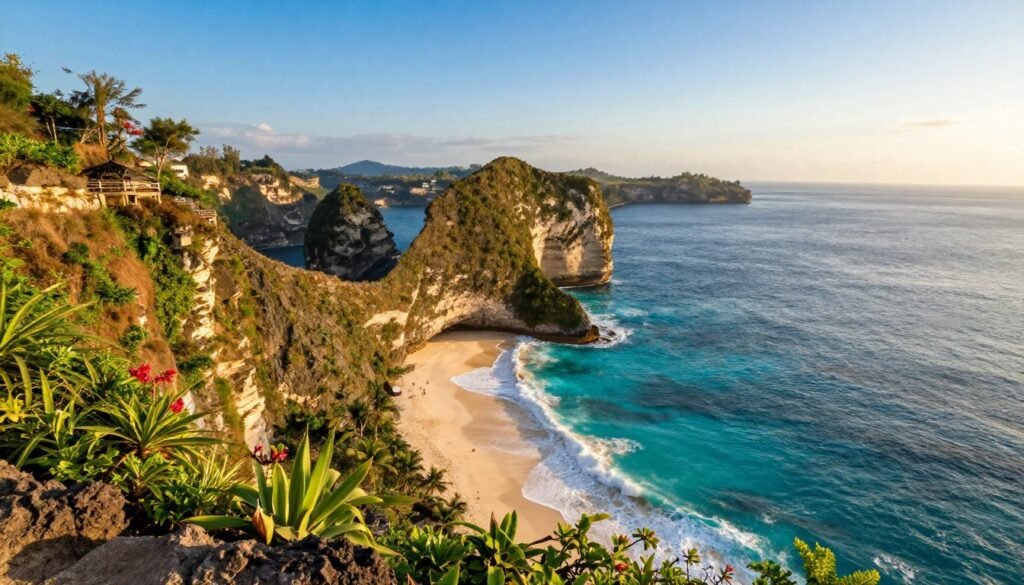
This island is rugged and dramatic, known for Kelingking Beach and striking viewpoints. The shorelines and trails reward you with wide ocean views and great photo spots.
Plan a full day trip—boats take about an hour and a half each way from the mainland. Hiking down to a remote beach can be steep, so wear sturdy shoes and move slowly.
- Snorkel and dive: the water is crystal clear around many bays, ideal for spotting coral and fish.
- Hire a local driver: roads are rough and a guide makes your route safer and faster.
- Bring essentials: plenty of water, sunscreen, and snacks—facilities are limited once you leave the port.
Your first time seeing Nusa Penida will likely be a highlight of the trip. Keep your camera ready and give yourself time to soak it all in.
Experiencing the Vibrant Seminyak Scene
A short drive from the airport, this area offers a concentrated mix of upscale restaurants, luxury hotel stays, and a lively beach club scene. You can spend an hour browsing boutiques, relax by a pool, then head to the shore to catch a sunset.
Seminyak’s nightlife is among the best on the island. Bars and clubs keep going late, and many venues host international DJs. The food scene blends tiny warungs with high-end restaurant menus, so you get great variety in one place.
- Shop chic shops and galleries, then stop at a cafe for light food.
- Spend a day poolside or book a table at a beachfront club for drinks and music.
- Check event calendars—some nights bring big parties that draw many people.
| What | Best time | Why go |
|---|---|---|
| Sunset at the beach | Evening | Iconic views and chilled drinks |
| Shopping | Late morning | High-end places and local finds |
| Nightlife | Night | Clubs, bars, and live DJs |
Surfing and Fitness in Canggu
Canggu blends surf culture and coworking energy into one lively coastal hub. This area attracts surfers and digital nomads who want a relaxed pace and an active routine.
The shoreline here is ideal when you want to learn to surf. Many schools offer beginner lessons and board rentals so you can catch a wave during the day.
Stay active: CrossFit boxes, yoga studios, and boutique gyms are scattered across town. Drop in to a class, then grab lunch at a cafe with fast WiFi if you need to work.
- Rent a scooter to move around quickly; the area is spread out and traffic can be busy.
- Spend late afternoons at a beach club to watch the sunset and meet other travelers.
- The community is welcoming, making it easy to join group classes or meetups.
| Activity | Typical Cost (USD) | Best Time | Why go |
|---|---|---|---|
| Surf lesson | $20–$35 | Morning | Gentle breaks and friendly instructors |
| Yoga class | $8–$15 | Early morning or evening | Restore after surfing or long rides |
| Beach club visit | $10–$50 (food & drinks) | Late afternoon | Sunset views and relaxed social scene |
Make the most of your visit by mixing surf sessions with gym classes and coworking hours. Canggu’s active lifestyle keeps your days full and social.
Relaxing on the Bukit Peninsula
On the Bukit, ocean views and steep cliffs set a different, slower pace than the busier towns. This southern headland is famous for a rugged coastline and stunning beaches that feel more private.
You will find the area much quieter than Seminyak, so it suits anyone who wants to unwind. Whether you spend the day at a clifftop temple or lounge at a beach club, the vistas are unforgettable.
Explore hidden coves and small bays tucked along the southern coast. Pack plenty of water when you hike; facilities can be limited at remote spots.
Note: rice terraces are beautiful elsewhere on the island, but the Bukit is all about cliffs, blue water, and surf. Spend a few days here to truly feel the laid-back atmosphere and end your first time visit on a peaceful note.
- Rugged coastline with great surf breaks
- Quieter beaches and mellow days away from crowds
- Clifftop views, hidden coves, and relaxed beach club scenes
Must Try Local Foods and Dining Spots
From humble stalls to sea-facing venues, the island serves a wide culinary range. You will find authentic flavors at tiny warungs and refined plates at beach clubs. Choose a spot based on mood: quick eats, long lunches, or a sunset dinner.
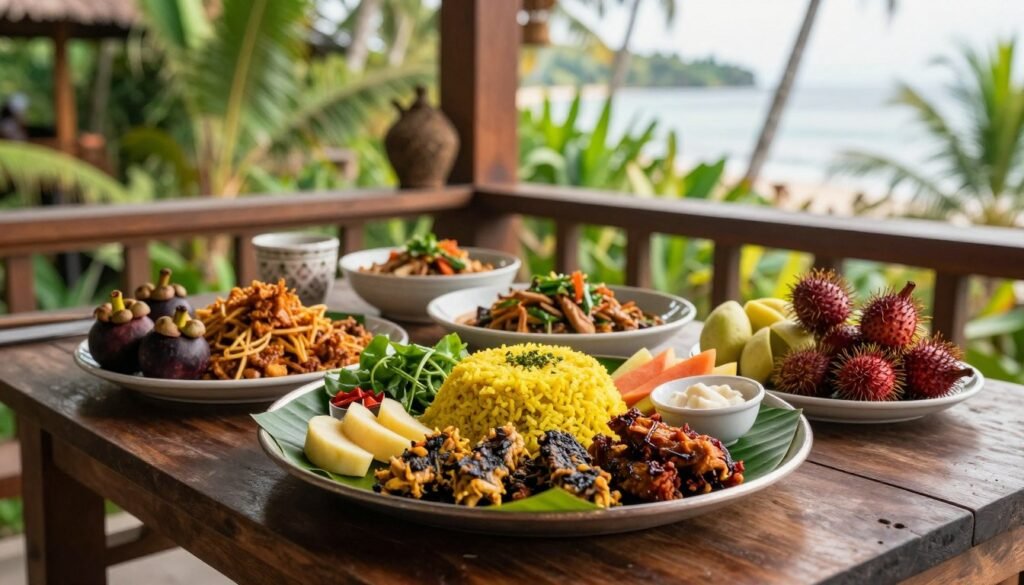
Traditional Warungs
Visit a warung to taste real home cooking. Order nasi campur or grilled fish and try local rice dishes that highlight fresh spices.
Warungs are budget-friendly and full of local character. Ask nearby people for their favorite restaurant to find hidden gems.
Upscale Beach Clubs
Many beach club venues pair creative menus with ocean views and a relaxed pool area. Spend an hour or two by the pool, enjoy a long lunch, and sip a refreshing drink as waves roll by.
Whether you are in nusa dua or heading out to nusa penida on a day trip, there are places to suit every budget and mood. Night dining at a club can be a special way to end your day.
- Try both warungs and clubs to sample the full range of food and culture.
- Local recommendations often lead to the best meals and quiet beaches nearby.
- Be adventurous—you may discover a dish you love and visit the place again.
| Type | Best for | Typical vibe |
|---|---|---|
| Warung | Authentic local food | Casual, budget-friendly |
| Beach club | Sunset meals and poolside dining | Trendy, relaxed |
| Hotel restaurant | Comfort and variety | Convenient, polished |
Essential Travel Insurance Advice
Before you hike cliffs or dive offshore, confirm your coverage is up to the task.
Investing in travel insurance protects your health and plans. SafetyWing Nomad Insurance offers medical coverage up to $250,000 for international travelers, which can be vital if you need care far from home.
Whether you explore the cliffs of nusa penida or surf offshore, having a clear policy gives you peace of mind. Read the fine print to ensure activities like hiking, snorkeling, or boarding boats are covered.
- Keep digital and paper copies of your policy and emergency contacts.
- Check limits on medical costs, evacuation, and trip interruption.
- Confirm whether hazardous activities or rental equipment are included.
| Provider | Typical Coverage | Best Use |
|---|---|---|
| SafetyWing | Up to $250,000 medical | Medical emergencies and evacuation |
| Standard Plan | Trip delay & baggage | Cancellations and lost items |
| Activity Add-on | Sports coverage | Surfing, diving, and guided hikes |
Do not skip this step — unexpected medical costs can be expensive abroad. The right travel insurance makes your holiday safer and less stressful.
Respecting Local Customs and Traditions
Small acts of respect toward local traditions open doors to more meaningful travel experiences. You will notice people take pride in heritage across the island, and a bit of care goes a long way.
When you visit a temple, dress modestly and cover shoulders and knees. Walk slowly, keep voices low, and avoid crossing offerings left on the ground.
Learn a few words in the local language to greet people and show respect. Ask permission before taking photos of locals or during ceremonies.
At the beach or in restaurants, be mindful of noise and public behavior. Many places mark sacred moments with offerings—do not touch them or step over them.
- Dress modestly at sacred sites.
- Ask before photographing people or rituals.
- Listen and follow guidance if a ceremony is happening nearby.
| Action | Why it matters | How to do it |
|---|---|---|
| Cover up at temples | Shows respect for sacred space | Wear a sarong or long clothing |
| Ask before photos | Protects privacy and dignity | Use a polite phrase and smile |
| Respect offerings | They are part of daily worship | Keep distance and do not disturb |
Approach each place with an open heart, and your first time here will become a richer cultural experience.
Packing Essentials for Your Tropical Getaway
A thoughtful packing list keeps your days outside simple and your gear stress-free. Pack light, breathable clothing that dries fast so you stay comfortable in warm, humid weather. Think layers that work from market mornings to relaxed evenings.
Travel smart: bring items that save space and handle mixed weather. A small day bag keeps essentials within reach while you explore.
- Clothing: Lightweight shirts, shorts, and a cover-up for modest temple visits.
- Shoes: A good pair of walking shoes for trails and sturdy sandals for the beach.
- Hydration: Reusable water bottle to stay topped up during each day of adventure.
- Protection: High-quality sunscreen and insect repellent to keep comfort high.
- Rain prep: Pack a light rain jacket to handle sudden showers with little fuss.
- Small kit: Compact first-aid items, a quick-charging power bank, and copies of important documents.
| Item | Why bring it | Best use |
|---|---|---|
| Walking shoes | Support on uneven paths | Hikes, temple visits |
| Sandals | Easy on and off at shore | Beach and casual strolls |
| Reusable bottle | Stay hydrated, reduce waste | All-day outings |
These items form the easiest way to travel light and stay ready for sun, rain, and long walks. Pack them and enjoy your trip with less worry and more comfort.
Conclusion
From cliffside views to green rice terraces, the island offers a range of experiences to enjoy. You can mix lively beach days with quiet cultural moments and short hikes to scenic spots.
Explore places like Nusa Penida and pause at rice terraces to feel the local rhythm. These are the things that make your trip special and memorable.
We hope this guide helps you plan and feel ready to visit bali. Travel with respect, take your time, and enjoy bali travel at your own pace. Safe travels as you discover more around bali and return with lasting memories from Nusa Penida.